
Unleashing Talent Potential: The Pivotal Role of HR in Coaching
In today's fast-paced business environment, the role of Human Resources (HR) has evolved beyond traditional personnel management to become a strategic partner in nurturing and developing talent within organizations.
4 min readUpdated on
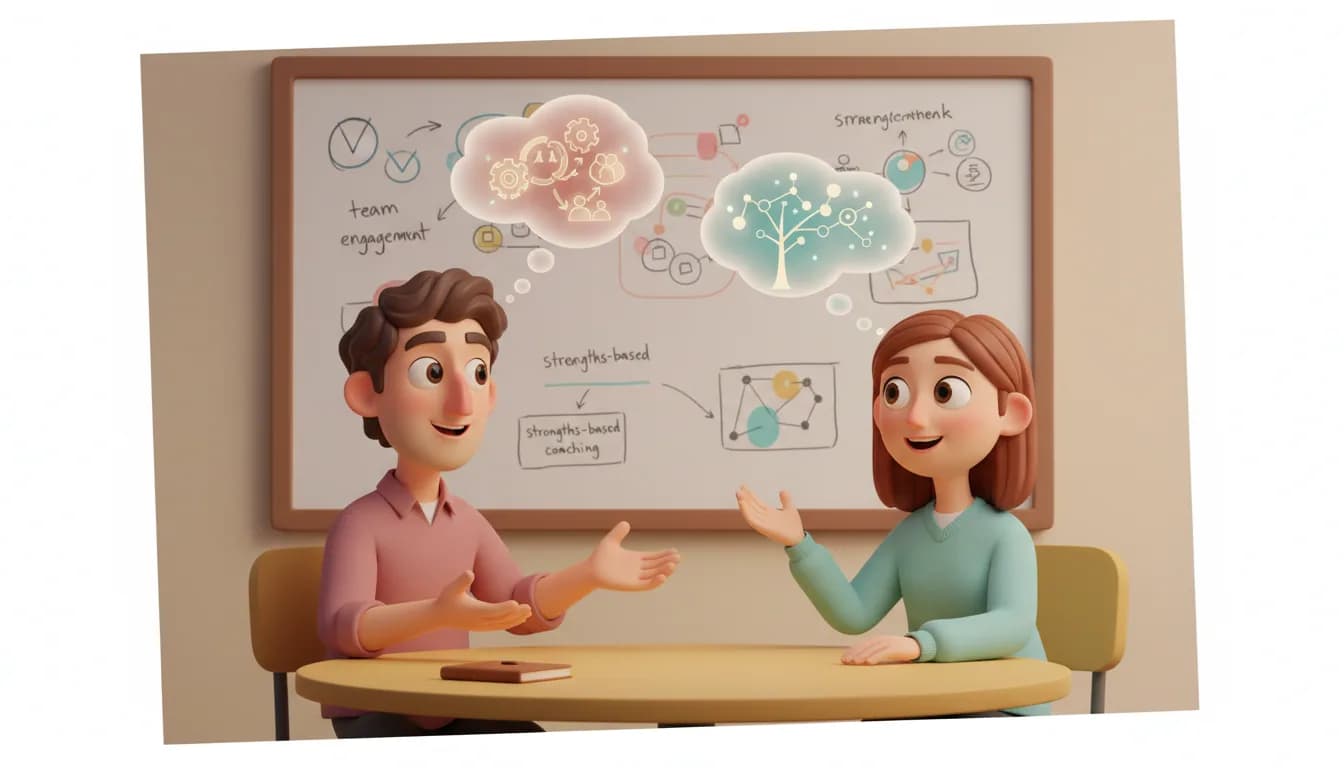
In today's fast-paced business environment, the role of Human Resources (HR) has evolved beyond traditional personnel management to become a strategic partner in nurturing and developing talent within organizations. This transition is critical as HR professionals are uniquely positioned to understand the intricate dynamics of human capital and its impact on business outcomes. In this article, we will delve into how HR can leverage coaching techniques to enhance employee performance and engagement, drawing on principles from renowned thinkers like Stephen R. Covey and Nicolas Martin.
The Power of Storytelling in HR and Talent Development
Storytelling is a powerful tool that HR can harness to create a compelling narrative around an organization's values and goals. As Nicolas Martin suggests, "Les entreprises sont celles qui s’appuient le plus sur la mise en récit," which translates to businesses relying heavily on storytelling to sell products, communicate new values, or manage internal affairs. HR can use this narrative technique to inspire employees, aligning them with the company's mission and fostering a sense of belonging and purpose.
Why HR-Led Coaching is Essential for Talent Growth
The importance of HR-led coaching cannot be overstated. It's about more than just training or development; it's about creating an environment where employees feel empowered to reach their full potential. Stephen R. Covey emphasizes the importance of letting individuals take responsibility for their outcomes, which is a core aspect of HR's role in coaching. By setting clear expectations, providing necessary resources, and establishing consequences, HR can guide employees towards achieving their goals while fostering a culture of accountability and autonomy.
Applying the 7 Habits Framework in HR Coaching
Covey's "7 Habits" framework offers a comprehensive approach to personal and professional effectiveness, which can be applied in the context of HR coaching. By identifying and leveraging an individual's resources, setting standards of quality, and defining consequences, HR can create a structured yet flexible coaching environment. This approach not only helps employees understand what is expected of them but also empowers them to take charge of their professional development.
Building Strong Individuals and Teams
Drawing from Claire Lauzol and Didier Noye's insights, a strong employee is one who possesses competence in their field, derives satisfaction from utilizing their strengths, and achieves desired results. HR coaching should focus on identifying these strengths and creating opportunities for employees to apply them, thereby boosting motivation and performance. Furthermore, fostering team coherence is crucial; HR can coach teams to interact effectively, define and drive their actions, and engage through co-creation.
The Art of Coaching in HR: Practical Steps
To implement effective coaching within HR, consider the following steps:
-
Assess and Identify Strengths: Start by understanding each employee's unique strengths and how they can contribute to the organization's goals. Use assessments and one-on-one sessions to gain insights into their capabilities and motivations.
-
Create a Culture of Open Communication: Encourage a climate where employees feel comfortable sharing their thoughts and ideas. Regular check-ins and open forums can facilitate this communication, as suggested by Covey.
-
Set Clear Goals and Expectations: Work with employees to set SMART (Specific, Measurable, Achievable, Relevant, Time-bound) goals that align with the organization's objectives.
-
Provide Resources and Support: Ensure that employees have access to the tools and resources they need to succeed. This could include training, mentorship, or technological support.
-
Establish a System of Accountability: Clearly communicate the expectations and consequences associated with meeting or missing goals. This helps to create a sense of responsibility and drive performance.
-
Empower Teams for Co-creation: Promote a team environment where members can collaborate and contribute to defining the team's direction and goals. This fosters a sense of ownership and commitment.
Takeaway
Key takeaways:
- Storytelling as a Catalyst: Utilize storytelling to align employees with the company's mission and inspire them towards shared goals.
- Empowerment and Accountability: Balance empowerment with accountability by setting clear expectations and consequences.
- Implement the 7 Habits: Apply Covey's 7 Habits framework to guide individuals in taking charge of their development and results.
Conclusion
In conclusion, the role of HR in coaching is multifaceted and pivotal to an organization's success. By embracing storytelling, fostering a culture of open communication, and applying structured coaching frameworks, HR can effectively guide and support talent development. The key is to create an environment where employees feel motivated, empowered, and accountable for their growth and contributions to the company. As HR professionals continue to evolve their coaching practices, they will play a crucial role in nurturing the next generation of leaders and high-performing teams. Let's continue to explore and innovate in this exciting domain, shaping the future of work together.
Ready to take action?
Find the coach who matches your goal
Hand-picked certified coaches. Free first discovery session, no commitment.